Design Ops
The key to a successful design org in any business is being the bridge between marketing and product, sales and engineering, and most importantly, an advocate for the user. Marketing tends to be the wild west, product tends to be regimented and hardened. What I find can unite both sides is qualitative and quantitative data. Since I tend embed myself in startups often times it is up to myself and stakeholders to build a data-informed design operation.
Understanding the problem and researching the solution
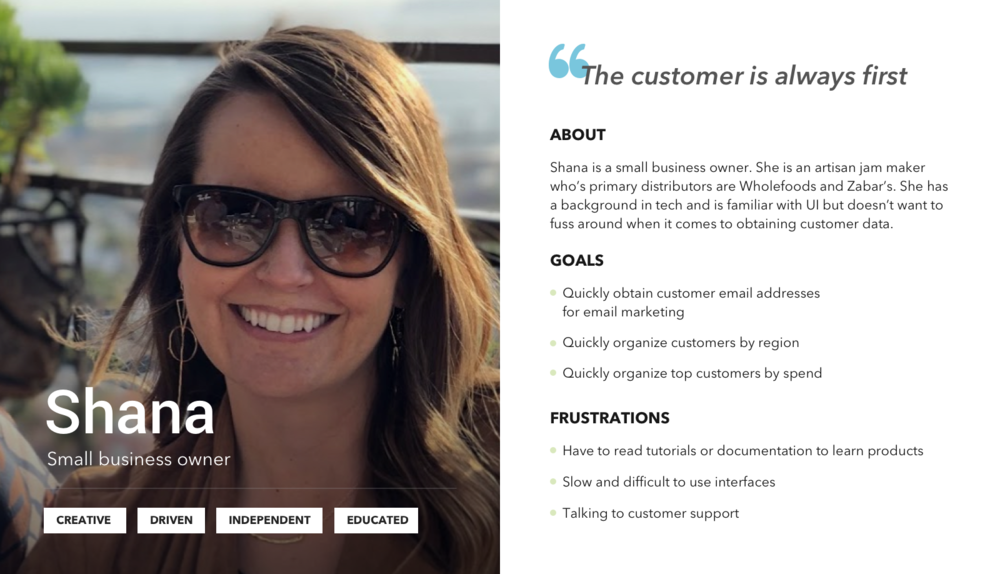
Every product has at least one job to be done. It's important to understand what problem the business or user is trying to solve. If there is no dedicated research in place I start by identifying impacted cohorts. I work with product managers to locate the best perspective customers or users to gain insight into their painpoints, frustrations, and desired optimizations. I have lead an array of exercises ranging from individual interviews with users, proto-persona exercises with marketing, to empathy mapping and persona creation. My current favorite framework is part jobs to be done, part formal qualitiative data analysis with tools such as Tableau, GA, Hotjar, or Mixpanel.
Product Management
Once personas are defined and user journeys and empathy maps have been executed I like to write out simple structures and requirements out as a bulleted lists. Translating post-its to written specifications are more adoptable and approachable to external teams. Once a spec has been written it’s time to pick the requirements apart, identify scope and viability, and proceed to design.
Product Design
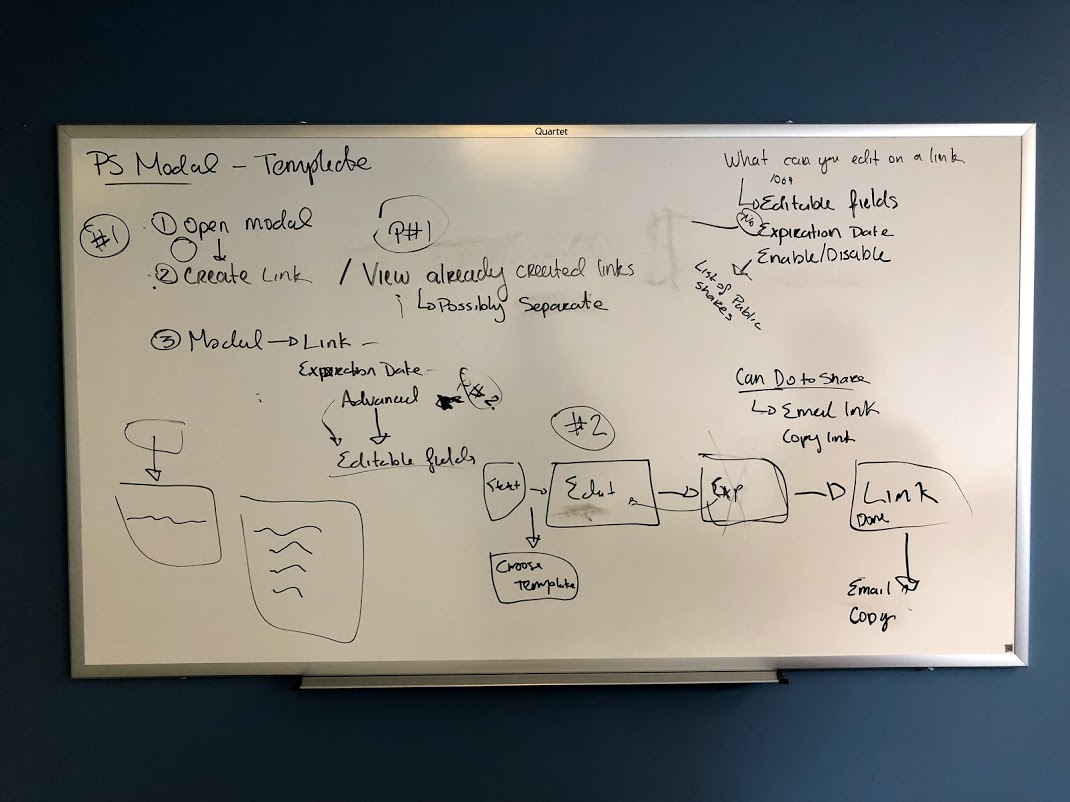
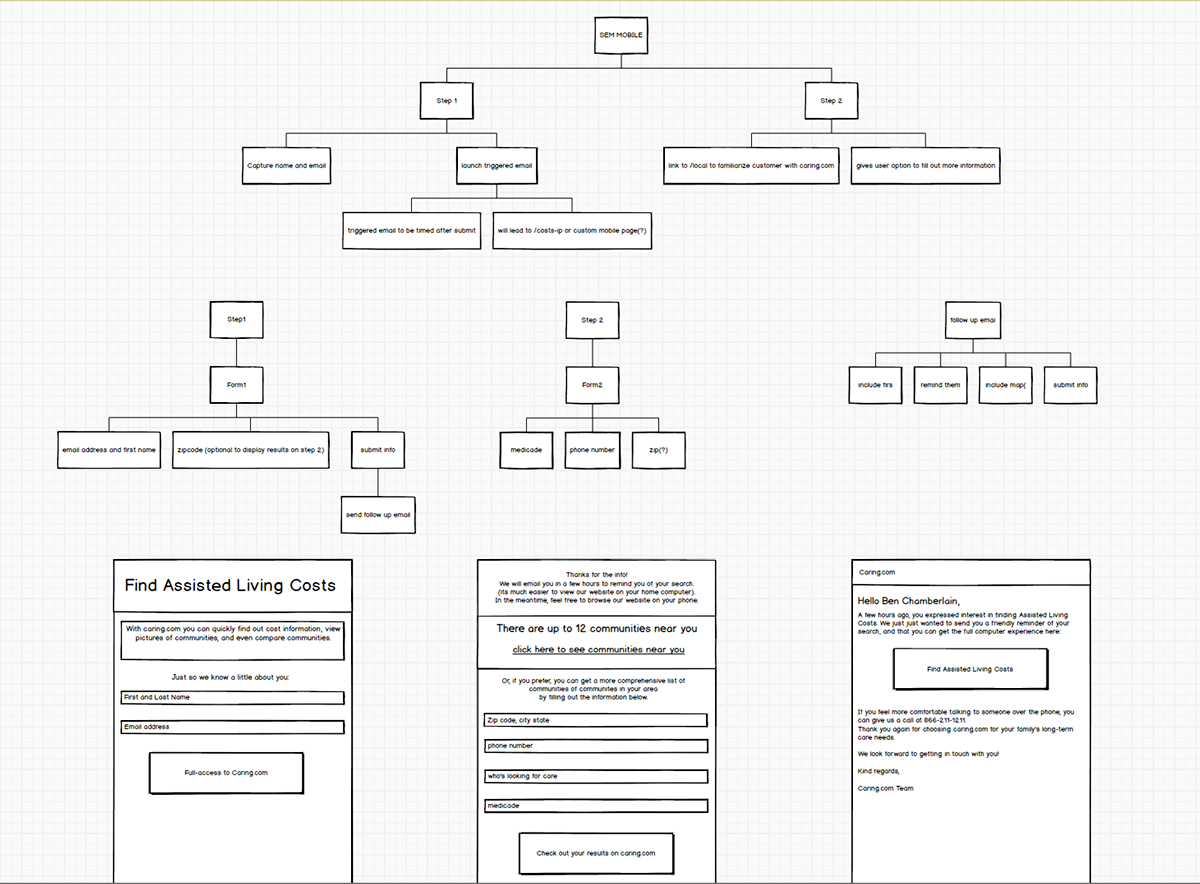
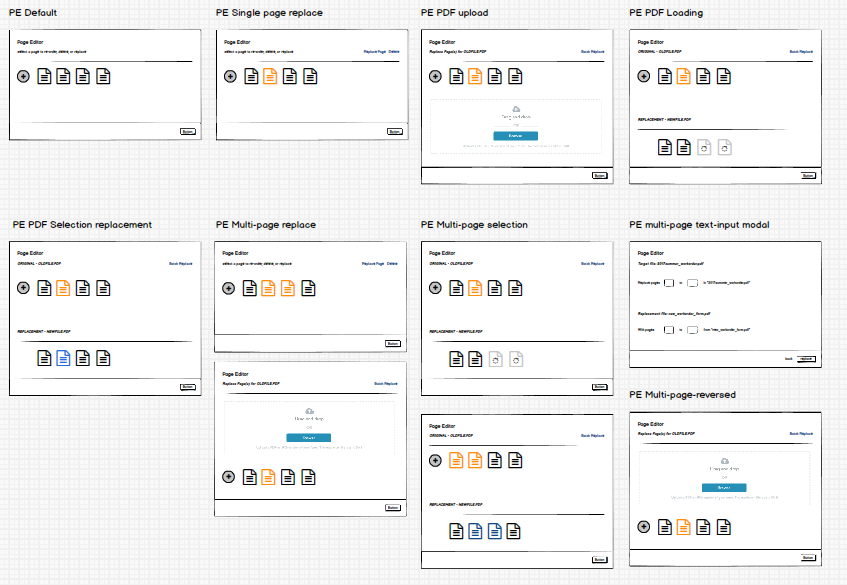
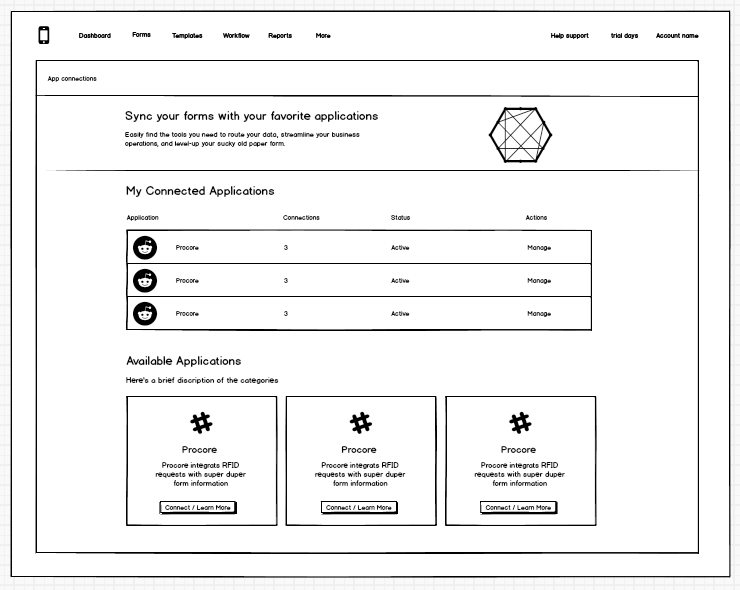
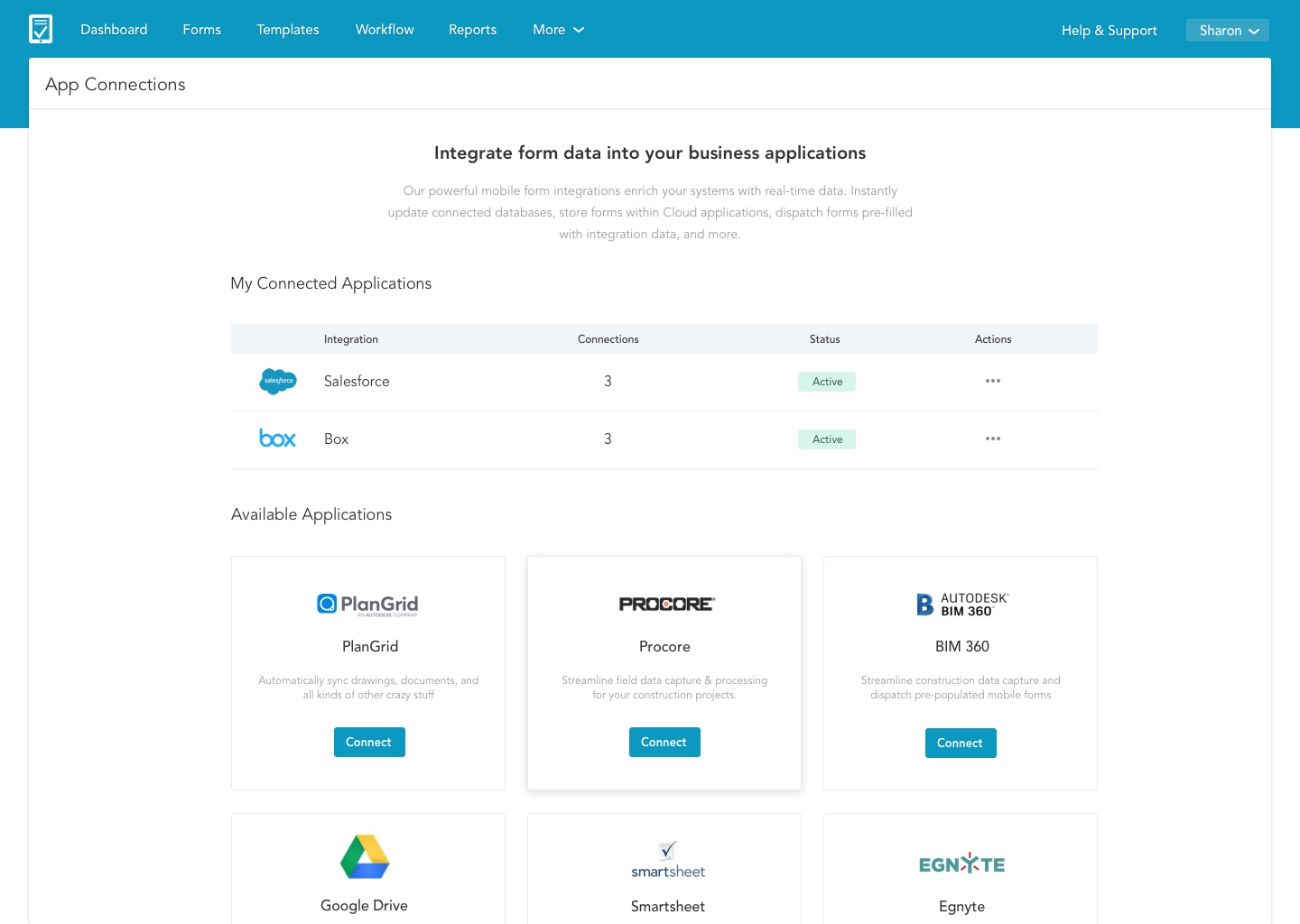
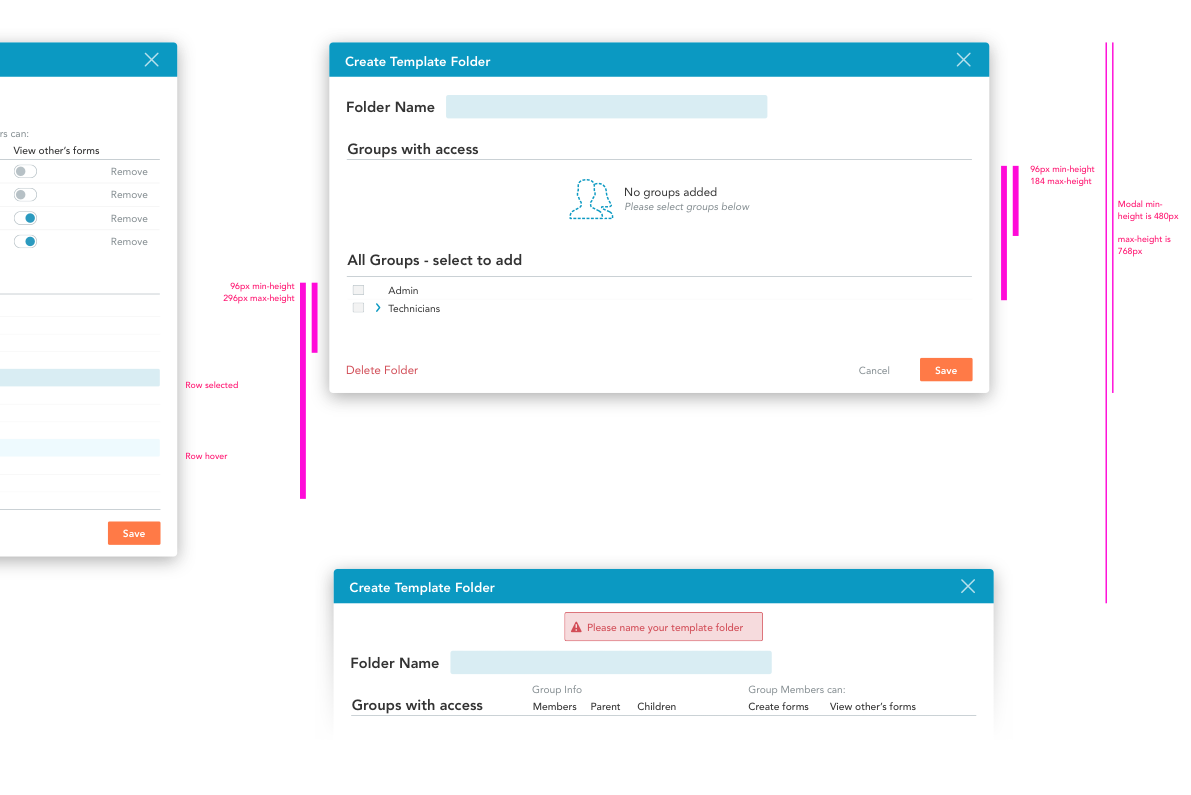
Once we are spec’d out I like to start simple with sketching, whiteboarding and Balsamiq. I've found the most success with rapid prototyping. It seems to be the most easily interpreted method across most teams I've worked with ranging from Sales teams to Product teams. Once I have buy in from stakeholders I like to create low fidelity comps to better demonstrate layout and interaction, then on to high-fidelity interactive models using tools like Sketch, Adobe XD, Figma, Invision, and Zeplin.
Development and handoff to engineers
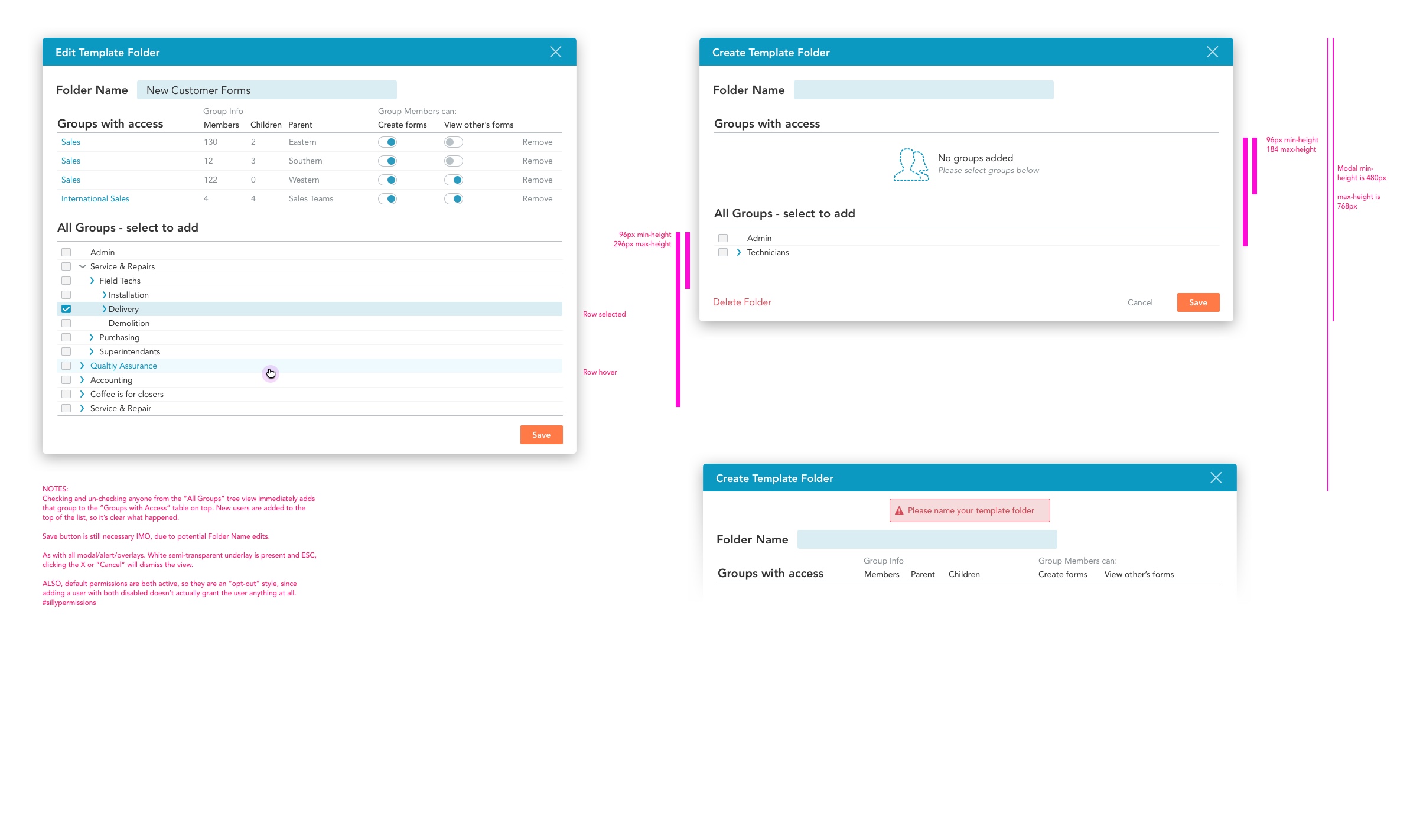
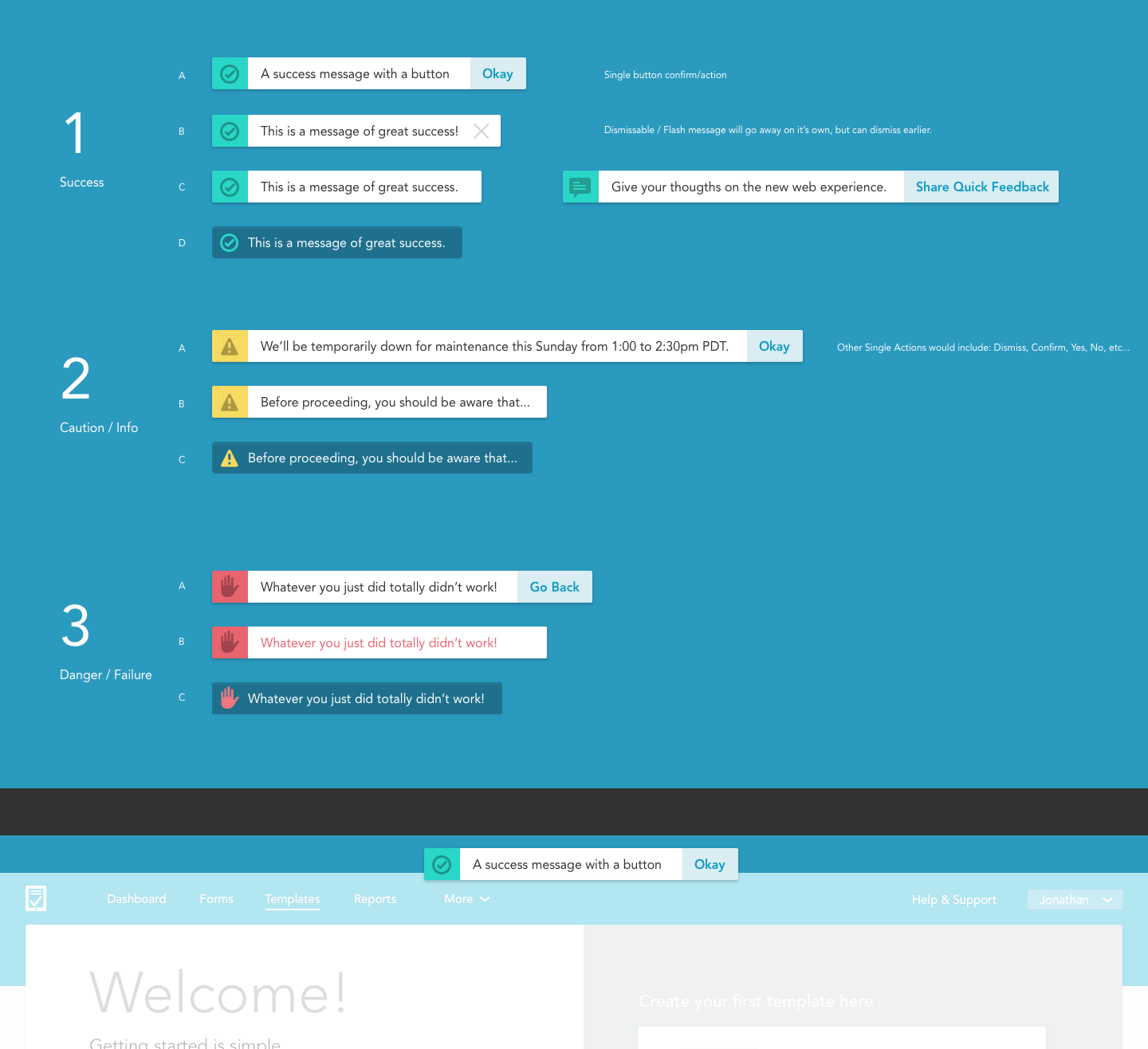
I have been on the development side of product design several times in my career. As such I know the frustrations that can stem from fractured design specifications and holes in interactive models. After story grooming I like to pair with the engineer and product manager to have an indepth overview of UI & documentation to identify any potential technology constraints impacting the MVP. In certain roles I have been on the front-end writing code in tools such as Visual Studio, QAing code in systems such as Litmus and pushing code using Git, Github, and terminal.
Evaluation and iteration
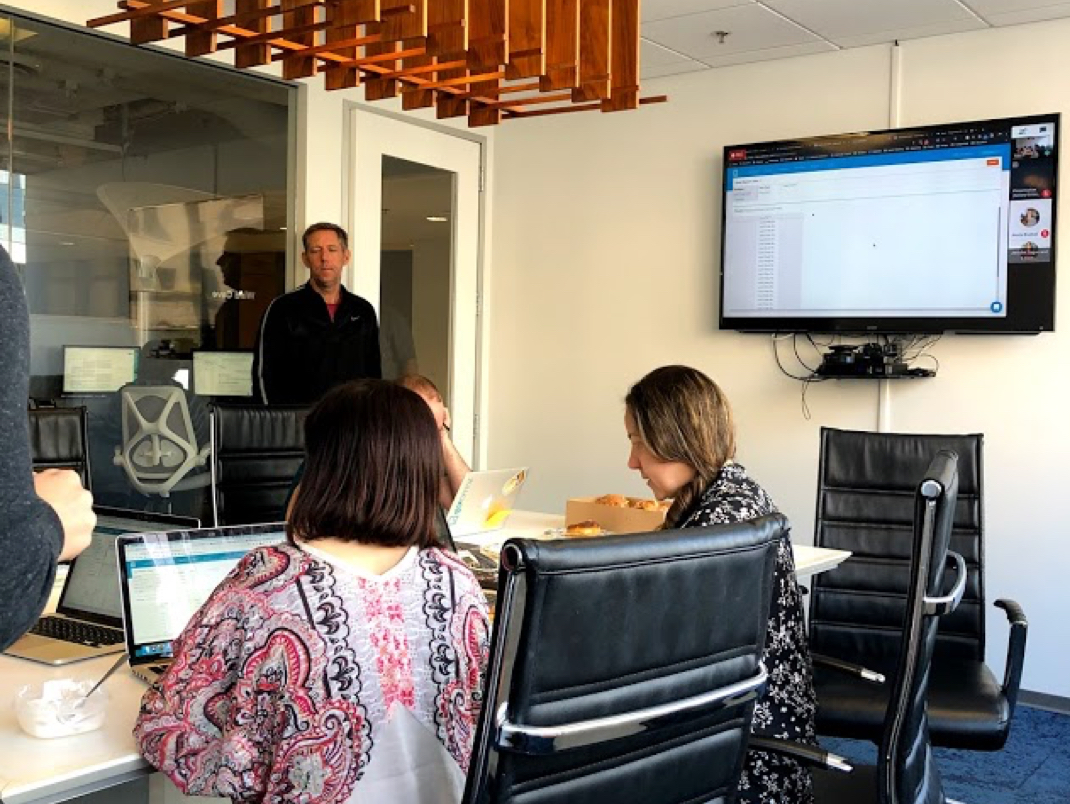
Once the product is in beta I like to hold a useability testing session with less tech-savvy internal teams, such as sales and customer success. They understand the sales cycle and what features customers will find valuable and what they may have trouble with. I create as detailed of an audit report as possible including failures, successes, frustrationions, bugs, and areas for improvement.
Validation and Optimization
After a product has been launched I like to obsess over it’s performance. I know that a few days or weeks can be statistically insignificant but it’s important to monitor and track kpis. I love leveraging tools such as Hotjar, Optimizely, or Mixpanel to evaluate and understand performance.